
A healthy mouth is more than just a nice smile — it’s a foundation for confidence, comfort, and overall wellbeing. Whether you’re dealing with sensitivity, dry mouth, or everyday oral discomfort, this space gives you simple, free ways to care for your teeth and gums. No pressure, no expensive treatments — just gentle guidance anyone can follow.
ORAL HEALTH
A Healthy Smile Begins With Daily Care
Your oral health affects your confidence, digestion, and overall wellbeing. These natural solutions support gum strength, fresh breath, and mouth cleanliness.




What Causes Oral Health Problems? (Scientific Summary)
Oral health issues develop when harmful bacteria, inflammation, and lifestyle factors affect the teeth, gums, and mouth. The main causes include:
Bacterial buildup: Plaque forms when bacteria feed on sugars, producing acids that damage teeth and irritate gums.
Gum inflammation: Gingivitis and periodontitis occur when plaque isn’t removed, leading to swelling, bleeding, and long‑term gum damage.
Poor oral hygiene: Inconsistent brushing, flossing, or cleaning allows harmful bacteria to multiply.
Diet high in sugar: Sugary foods and drinks increase acid production, weakening enamel and causing cavities.
Dry mouth: Low saliva reduces natural protection, making it easier for bacteria to grow.
Smoking & vaping: Both increase gum disease risk, reduce healing, and stain teeth.
Medical conditions: Diabetes, hormonal changes, and immune issues can affect gum health and bacterial balance.
Acidic foods & drinks: These erode enamel over time, increasing sensitivity and decay.
What Helps Improve Oral Health? (Scientific Summary)
Good oral health comes from reducing harmful bacteria, strengthening enamel, and supporting gum health. Science‑supported habits include:
Consistent brushing & flossing: Removes plaque and reduces bacterial growth.
Healthy diet: Lower sugar intake and more whole foods help protect enamel and reduce inflammation.
Hydration: Saliva naturally protects teeth and helps control bacteria.
Probiotics: Certain oral probiotics support a healthier bacterial balance in the mouth.
Antioxidants & vitamins: Nutrients like vitamin C, D, and antioxidants support gum strength and healing.
Regular dental care: Professional cleanings remove hardened plaque and prevent gum disease.
Avoiding smoking: Reduces inflammation and improves gum health.
Using gentle oral solutions: Natural rinses and supplements can support gum comfort, fresh breath, and bacterial balance.
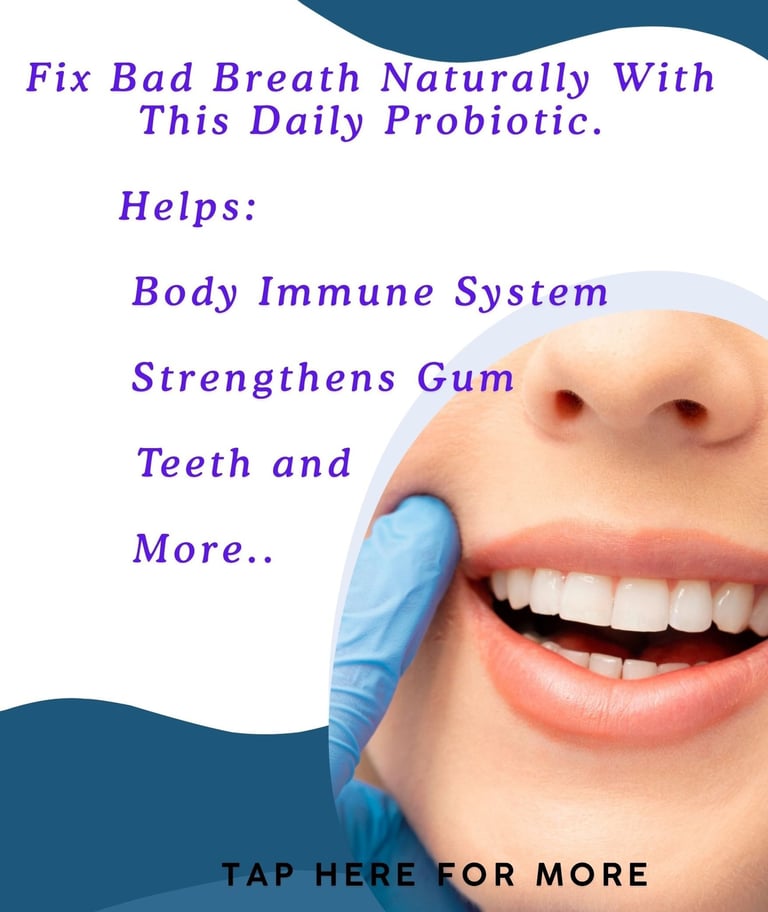


Understanding Oral Health is more than just white teeth it is also about how it affects the rest of the body when you neglect Oral Health, the Immune system, Weight and Heart suffer, also leading to Diabetes, Alzheimer's, Lung disease and Pregnancy problems all scientifically proven.


When your young and full of life, we take everything for granted and not realize the true consequences of neglect. The last thing on our mind is oral health until a tooth starts hurting, or our gums become sensitive, our breath smells like something you don't want to be around. You are not alone; many people even now are struggling with unhealthy oral hygiene. We have been told brush your teeth and fight bacteria, until science tells us that by brushing our teeth, we are breaking down the enamel on our teeth. Do not be disheartened because science also gives us other alternatives to protecting our Oral Health, utilising all natural resources that surround us.


Oral Health — Myth vs Fact
Myth 1: If my gums bleed, I should stop brushing.
Fact: Bleeding gums are a sign of inflammation — gentle brushing and cleaning actually help them heal.
Myth 2: Bad breath only comes from food.
Fact: Most bad breath comes from bacteria on the tongue and gums, not food itself.
Myth 3: Hard brushing cleans better.
Fact: Hard brushing damages enamel and gums. Soft, gentle brushing cleans more effectively.
Myth 4: Mouthwash fixes all oral problems.
Fact: Mouthwash can help freshen breath, but it doesn’t replace brushing, flossing, or gum care.
Myth 5: Cavities are only caused by sugar.
Fact: Cavities come from bacteria that feed on sugar — but poor hygiene, dry mouth, and acidic foods also play a role.
Myth 6: Only older people get gum disease.
Fact: Gum issues can happen at any age if plaque builds up or oral hygiene is inconsistent.
Oral Health — FAQ Section
1. Why do my gums bleed when I brush?
Bleeding gums usually mean inflammation caused by plaque buildup. When bacteria irritate the gum line, it becomes sensitive and bleeds easily. Consistent brushing, flossing, and gentle oral care can help reduce this.
2. What causes bad breath?
Bad breath often comes from bacteria on the tongue, trapped food particles, dry mouth, or gum issues. Hydration, tongue cleaning, and good oral hygiene help reduce odor.
3. Can stress affect oral health?
Yes. Stress can reduce saliva, increase inflammation, and even lead to teeth grinding, which affects gums and enamel.
4. Why do my teeth feel sensitive?
Sensitivity happens when enamel wears down or gums recede, exposing the inner layers of the tooth. Acidic foods, aggressive brushing, and grinding can make it worse.
5. Do natural oral solutions actually help?
Many gentle, natural ingredients — like probiotics, antioxidants, and herbal rinses — can support gum comfort, bacterial balance, and fresh breath. They’re not a replacement for dental care, but they can help daily oral wellness.
6. How often should I replace my toothbrush?
Every 3 months, or sooner if the bristles look worn. Worn bristles don’t clean effectively.
7. Can diet affect oral health?
Absolutely. Sugary and acidic foods feed harmful bacteria and weaken enamel. Whole foods, hydration, and minerals like calcium support stronger teeth and gums.
Free Wellbeing Tips — Oral Health
🦷 1. Rinse Your Mouth With Water After Eating
A simple water rinse removes food particles, reduces acidity, and helps protect enamel — especially after sugary or acidic foods.
👅 2. Clean Your Tongue Daily
Most bad breath comes from bacteria on the tongue. Use a toothbrush or the edge of a spoon to gently scrape from back to front.
💧 3. Drink More Water Throughout the Day
Hydration increases saliva, which naturally protects teeth, reduces bacteria, and prevents dry mouth.
😊 4. Practice Gentle Brushing
Hard brushing damages enamel and irritates gums. Use soft pressure and small circular motions for 2 minutes.
🍎 5. Eat Crunchy Whole Foods
Apples, carrots, and celery help clean teeth naturally and stimulate saliva production.
😌 6. Reduce Stress Where You Can
Stress increases jaw tension and teeth grinding. Try:
slow breathing
stretching your jaw
relaxing your shoulders
Even 30 seconds helps.
🛑 7. Limit Snacking Between Meals
Frequent snacking keeps acid levels high in the mouth. Spacing meals gives your saliva time to neutralize bacteria.
🌿 8. Use Warm Salt Water for Gum Comfort
Salt water reduces inflammation and supports healing. Mix ½ teaspoon of salt in warm water and gently swish.
💤 9. Improve Sleep Position if You Grind Your Teeth
Sleeping on your back reduces jaw pressure. If you wake with jaw pain, try placing a pillow under your knees to relax facial muscles.
🍋 10. Avoid Brushing Immediately After Acidic Foods
Acid softens enamel. Wait 20–30 minutes before brushing to prevent damage.
🧘 11. Relax Your Jaw During the Day
Many people clench without noticing. Quick check:
unclench teeth
drop your tongue from the roof of your mouth
relax your lips
This reduces gum pressure and jaw fatigue.
🪥 12. Replace Your Toothbrush When Bristles Spread
You don’t need a fancy brush — just one with soft bristles. If they flare out, it’s time for a new one.


Best Foods for Healthy Oral Health
🍎 1. Crunchy Fruits & Veggies (Natural Tooth Cleaners)
These foods scrub your teeth as you chew and boost saliva — your mouth’s natural defence. Examples: apples, carrots, celery, cucumbers. Benefits: reduce plaque, freshen breath, support gum health.
🥬 2. Leafy Greens (Gum Strength)
High in vitamins and minerals that support gum tissue and reduce inflammation. Examples: spinach, kale, silverbeet, lettuce. Benefits: stronger gums, better healing, improved bacterial balance.
🧀 3. Dairy & Calcium-Rich Foods (Enamel Support)
Calcium and phosphorus help rebuild enamel and protect against sensitivity. Examples: cheese, yoghurt, milk, fortified plant milks. Benefits: stronger enamel, reduced acidity, better saliva flow.
🐟 4. Fatty Fish (Vitamin D for Strong Teeth)
Vitamin D helps your body absorb calcium properly. Examples: salmon, sardines, mackerel. Benefits: stronger teeth, reduced inflammation, better gum health.
🍊 5. Vitamin C Foods (Gum Healing & Fresh Breath)
Vitamin C supports gum repair and reduces bleeding. Examples: oranges, kiwifruit, strawberries, capsicum. Benefits: healthier gums, reduced inflammation, stronger immune support.


“What Causes Oral Health Problems?” (Expanded)
Oral health problems begin when the balance inside your mouth shifts toward harmful bacteria, inflammation, and weakened enamel. Several everyday factors contribute to this:
1. Bacterial Overgrowth
Your mouth naturally contains good and bad bacteria. When harmful bacteria multiply, they create plaque — a sticky film that irritates gums and damages enamel.
2. Gum Inflammation
When plaque isn’t removed, it triggers gingivitis (early gum disease). Over time, this can progress to periodontitis, causing swelling, bleeding, and long‑term gum damage.
3. Poor Daily Habits
Inconsistent brushing, skipping flossing, or not cleaning the tongue allows bacteria to thrive and spread.
4. High‑Sugar Diet
Sugar feeds harmful bacteria, causing them to produce acids that weaken enamel and lead to cavities.
5. Dry Mouth
Low saliva means less natural protection. Saliva helps neutralize acids and wash away bacteria — without it, problems grow quickly.
6. Smoking & Vaping
These habits reduce healing, increase inflammation, stain teeth, and dramatically raise gum‑disease risk.
7. Medical Conditions
Diabetes, hormonal changes, autoimmune issues, and certain medications can disrupt gum health and saliva production.
8. Acidic Foods & Drinks
Citrus, soft drinks, and energy drinks erode enamel over time, increasing sensitivity and decay.
“What Helps Improve Oral Health?” (Expanded)
Improving oral health is about reducing harmful bacteria, strengthening enamel, and supporting gum healing. Science‑supported habits include:
1. Consistent Brushing & Flossing
Gentle brushing twice daily and flossing once daily remove plaque before it hardens.
2. Healthy Diet Choices
Whole foods, crunchy fruits, leafy greens, and calcium‑rich foods protect enamel and reduce inflammation.
3. Hydration
Water increases saliva, your mouth’s natural defence against bacteria and acidity.
4. Oral Probiotics
Certain probiotics help balance the oral microbiome, reducing bad breath and supporting gum comfort.
5. Vitamins & Antioxidants
Vitamin C, vitamin D, and antioxidants help gum tissue repair and strengthen immune response.
6. Regular Dental Care
Professional cleanings remove hardened plaque (tartar) that brushing can’t remove.
7. Avoiding Smoking
Stopping smoking or vaping reduces inflammation and improves gum healing.
8. Gentle Natural Solutions
Saltwater rinses, herbal mouth rinses, and natural supplements can support daily oral wellness.


“Oral Health & Whole‑Body Wellness"(Expanded)
Your mouth is directly connected to your overall health. When oral hygiene is neglected, harmful bacteria and inflammation don’t stay in the mouth — they affect the entire body.
1. Immune System
Chronic gum inflammation forces your immune system to work harder, weakening your body’s ability to fight infections.
2. Heart Health
Bacteria from gum disease can enter the bloodstream, contributing to inflammation linked to heart disease.
3. Weight & Digestion
Poor oral health affects chewing, digestion, and nutrient absorption — all of which influence weight and energy levels.
4. Diabetes
Inflamed gums make blood‑sugar control harder, and high blood sugar increases gum‑disease risk. It becomes a cycle.
5. Brain Health
Studies show links between gum disease bacteria and cognitive decline, including Alzheimer’s‑related inflammation.
6. Lung Health
Breathing in oral bacteria can worsen respiratory issues and increase infection risk.
7. Pregnancy
Poor gum health is associated with premature birth and low birth weight due to inflammation.
“Natural Ingredients That Support Oral Health” (Expanded)
Nature provides powerful ingredients that support gum comfort, fresh breath, and bacterial balance.
Clove Oil
Contains eugenol, a natural antibacterial compound that helps reduce gum discomfort.
Aloe Vera
Soothes irritated gums and supports healing.
Green Tea
Rich in antioxidants that reduce inflammation and support healthy bacteria.
Xylitol
A natural sweetener that reduces cavity‑causing bacteria.
Oral Probiotics
Help balance the mouth’s microbiome, reducing bad breath and supporting gum health.


Best Foods for Oral Health (Expanded & Copy‑Ready)
🍎 1. Crunchy Fruits & Vegetables
Crunchy foods act like natural toothbrushes, helping remove plaque while boosting saliva flow.
Examples: apples, carrots, celery, cucumbers Benefits:
Reduce plaque buildup
Freshen breath
Support gum strength
🥬 2. Leafy Greens
Packed with vitamins and minerals that support gum tissue and reduce inflammation.
Examples: spinach, kale, silverbeet, lettuce Benefits:
Stronger gums
Better healing
Improved bacterial balance
🧀 3. Dairy & Calcium‑Rich Foods
Calcium and phosphorus help rebuild enamel and protect against sensitivity.
Examples: cheese, yoghurt, milk, fortified plant milks Benefits:
Stronger enamel
Reduced acidity
Better saliva production
🐟 4. Fatty Fish (Vitamin D Support)
Vitamin D helps your body absorb calcium properly, supporting strong teeth and gums.
Examples: salmon, sardines, mackerel Benefits:
Stronger teeth
Reduced inflammation
Improved gum health
🍊 5. Vitamin C Foods
Vitamin C supports gum repair and reduces bleeding.
Examples: oranges, kiwifruit, strawberries, capsicum Benefits:
Healthier gums
Reduced inflammation
Stronger immune support
🥜 6. Nuts & Seeds
Rich in healthy fats and minerals that support enamel and gum strength.
Examples: almonds, walnuts, chia seeds, sesame seeds Benefits:
Stronger enamel
Reduced inflammation
Long‑lasting energy for oral healing
🍵 7. Green Tea
Contains antioxidants that help reduce inflammation and support healthy bacteria.
Benefits:
Fresher breath
Reduced gum irritation
Better bacterial balance
🍯 8. Xylitol‑Rich Foods or Gum
Xylitol is a natural sweetener that reduces cavity‑causing bacteria.
Examples: xylitol gum, xylitol mints Benefits:
Fewer harmful bacteria
Better saliva flow
Reduced plaque formation
Expanded Oral Health FAQs
1. Why do my gums bleed when I brush or floss?
Bleeding gums are usually a sign of inflammation caused by plaque buildup along the gumline. When bacteria irritate the gums, they become sensitive and bleed more easily. Consistent brushing, gentle flossing, and regular cleaning help reduce this inflammation over time. If bleeding continues, a dental check‑up is important because it may indicate early gum disease.
2. What causes bad breath and how can I reduce it?
Bad breath often comes from bacteria on the tongue, trapped food particles, dry mouth, or gum issues. Cleaning your tongue, staying hydrated, and maintaining good oral hygiene can make a big difference. If bad breath is persistent, it may be linked to sinus issues, digestive problems, or gum disease — a dentist can help identify the cause.
3. Why do my teeth feel sensitive?
Sensitivity happens when enamel wears down or gums recede, exposing the inner layers of the tooth. Acidic foods, aggressive brushing, grinding, and whitening products can all increase sensitivity. Using a soft toothbrush, gentle brushing, and toothpaste designed for sensitive teeth can help reduce discomfort.
4. How often should I replace my toothbrush?
Every 3 months is ideal — or sooner if the bristles look frayed. Worn bristles don’t clean effectively and can irritate gums. If you’ve been sick, replacing your toothbrush is also a good idea.
5. Can stress affect my oral health?
Yes. Stress can reduce saliva, increase inflammation, and lead to teeth grinding or jaw clenching. These habits can cause sensitivity, headaches, and enamel wear. Relaxation techniques, hydration, and gentle jaw stretches can help reduce strain.
6. Do natural oral health solutions actually work?
Natural ingredients like probiotics, herbal rinses, and antioxidants can support gum comfort, bacterial balance, and fresh breath. They’re not a replacement for dental care, but they can be helpful additions to daily oral wellness routines.
7. How does diet affect oral health?
Sugary and acidic foods feed harmful bacteria and weaken enamel. Whole foods, hydration, and minerals like calcium and magnesium support stronger teeth and healthier gums. Even small changes — like reducing sugary drinks — can improve oral comfort.
8. Why does my mouth feel dry so often?
Dry mouth can come from dehydration, medications, stress, or breathing through your mouth. Drinking more water, chewing sugar‑free gum, and avoiding alcohol‑based mouthwashes can help. If dryness is constant, a dentist or doctor can check for underlying causes.
9. Is flossing really necessary?
Yes — flossing removes plaque and food particles from areas your toothbrush can’t reach. It helps prevent gum disease, bad breath, and cavities between teeth. Even flossing a few times a week is better than not at all.
10. How do I know if I have gum disease?
Early signs include bleeding gums, bad breath, gum tenderness, and slight gum recession. More advanced gum disease can cause loose teeth or discomfort when chewing. Regular dental check‑ups help catch issues early before they become serious.
Oral Health Statistics (Safe & General)
1. Gum Health
Around 50% of adults worldwide have some level of gum inflammation.
Bleeding gums affect 1 in 3 adults, especially during brushing or flossing.
Regular flossing can reduce gum bleeding by up to 40%.
2. Tooth Decay
Tooth decay is the most common health condition globally.
About 90% of adults experience at least one cavity in their lifetime.
Reducing sugary drinks can lower cavity risk by 20–30%.
3. Bad Breath
1 in 4 adults experiences persistent bad breath.
80% of bad breath comes from bacteria on the tongue.
4. Dry Mouth
Dry mouth affects 20–30% of adults, especially those who are dehydrated or stressed.
Staying hydrated can improve saliva flow by 10–15%.
5. Oral Hygiene Habits
Only 30% of adults floss regularly.
Replacing your toothbrush every 3 months improves cleaning effectiveness by up to 50%.
6. Diet & Oral Health
High‑sugar diets increase cavity risk by up to 60%.
Eating crunchy fruits and vegetables can reduce plaque buildup by 10–20%.
7. Stress & Oral Health
Stress increases jaw clenching and grinding in 1 in 5 adults.
Stress also reduces saliva production, increasing dryness and irritation.
8. Dental Visits
Around 40% of adults avoid regular dental check‑ups.
Early detection can reduce oral health complications by up to 70%.


Explaining Oral Health
Good oral health starts with keeping your gums strong and your mouth’s natural bacteria in balance. When harmful bacteria build up, they can cause bad breath, gum irritation, and plaque. Natural oral care supports fresher breath, healthier gums, and a cleaner mouth without harsh chemicals — helping you feel confident and comfortable every day.
⭐ Why Oral Health Matters
Your mouth affects more than just your smile. Healthy gums support your immune system, reduce inflammation, and help protect your teeth long‑term. When gum health is weak, bacteria can spread, causing sensitivity, bleeding, and discomfort. Taking care of your mouth naturally helps prevent these issues and supports overall wellness.
Natural Oral Health Tips
Brush gently twice a day to avoid gum irritation
Clean your tongue to reduce bacteria and improve breath
Use warm salt water rinses to soothe gums
Drink more water to keep your mouth naturally hydrated
Reduce sugary foods that feed harmful bacteria
Add crunchy fruits and vegetables to help clean teeth
Try natural oils like coconut oil for gentle mouth cleansing
Avoid smoking or vaping, which weaken gum tissue
Chew slowly to support saliva flow and natural cleaning
Replace your toothbrush every 2–3 months


Global Oral Health Overview
Oral health varies around the world, shaped by diet, lifestyle, access to dental care, and cultural habits. While gum sensitivity, bad breath, and tooth discomfort are common everywhere, each region experiences oral‑health challenges differently.
Western Countries
New Zealand, Australia, the United States, Canada, and Western Europe report higher rates of gum inflammation, tooth sensitivity, and plaque buildup. Common contributing factors include:
High sugar intake
Processed foods
Coffee, tea, and acidic drinks
Stress‑related grinding
Frequent snacking
Oral health here often focuses on gum care, reducing acidity, and improving daily hygiene habits.
Asia
Countries like Japan, South Korea, China, and Singapore historically show lower rates of gum disease, though modern diets are changing this. Reasons include:
More traditional foods with lower sugar
Green tea consumption (supports oral bacteria balance)
Smaller portion sizes
Cultural habits like thorough daily cleaning
Western fast food and sugary drinks are increasing oral‑health challenges in major cities.
Africa
Many African regions show mixed oral‑health patterns, often influenced by access to dental care and traditional diets. Lifestyle factors include:
Lower processed‑food intake in rural areas
More natural, fibrous foods
Limited dental services in some regions
Urbanisation is increasing sugar consumption and oral‑health issues.
Pacific Islands
Polynesia, Melanesia, and Micronesia experience unique oral‑health patterns, often shaped by traditional diets and modern food imports. Contributing factors include:
High‑carb traditional foods
Limited access to dental care in some areas
Increased sugary drinks
Cultural chewing habits (like betel nut in some regions)
Oral‑health support here often focuses on gum care, reducing sugar, and improving daily cleaning routines.
Global Trends
Around the world, oral health is becoming a major focus due to:
Rising sugar consumption
Increased stress and grinding
Higher awareness of gum health
Interest in natural oral‑care solutions
Growing understanding of the mouth–body connection
People everywhere are turning to gentle brushing, natural rinses, hydration, and gum‑supporting foods to maintain fresher breath and healthier gums.


⭐ Common Causes of Gum Sensitivity
Gum sensitivity is very common and can come from everyday habits, diet, or changes in oral hygiene. Understanding what causes it helps you support healthier, more comfortable gums.
1. Plaque Buildup Along the Gumline
When plaque sits too long, it irritates the gums and makes them more sensitive. Even mild buildup can cause tenderness or bleeding.
2. Brushing Too Hard
Firm brushing can wear down gum tissue and cause soreness. Gentle pressure protects both gums and enamel.
3. Stress‑Related Teeth Grinding
Grinding or clenching tightens the jaw and irritates the gums. Many people grind without realising it, especially during stress.
4. Acidic Foods & Drinks
Coffee, citrus, fizzy drinks, and vinegar‑based foods can weaken gum comfort over time.
5. Hormonal Changes
Hormones can affect blood flow to the gums, making them more sensitive — common during puberty, pregnancy, or stress.
6. Dry Mouth
Low saliva allows bacteria to grow faster, increasing irritation and sensitivity.
7. Inconsistent Oral Hygiene
Skipping brushing or flossing allows bacteria to build up, which can make gums tender.
8. Hard or Crunchy Foods
Foods like chips, crusty bread, or nuts can scratch gum tissue and cause temporary sensitivity.
9. Smoking or Vaping
These reduce blood flow to the gums, making them more prone to irritation.
10. Mouth Breathing
Breathing through the mouth dries the gums and can make them feel sore or inflamed.


⭐ Natural Ways to Reduce Bad Breath
Bad breath is usually caused by bacteria, dry mouth, or certain foods — and the good news is that simple, natural habits can make a big difference. These gentle daily practices help freshen your breath and support a healthier mouth.
1. Clean Your Tongue Daily
Most bad breath starts on the tongue. A gentle scrape with a toothbrush or spoon removes bacteria and improves freshness.
2. Drink More Water
Hydration increases saliva, which naturally cleans the mouth and reduces odour‑causing bacteria.
3. Rinse With Warm Salt Water
Salt water helps reduce bacteria and soothe gums. It’s a simple, natural way to freshen your mouth.
4. Eat Crunchy Fruits & Vegetables
Apples, carrots, and celery help clean teeth and stimulate saliva. They act like natural toothbrushes.
5. Reduce Sugary Foods & Drinks
Sugar feeds bacteria that cause bad breath. Cutting back helps keep your mouth cleaner and fresher.
6. Chew Sugar‑Free Gum or Xylitol Gum
Xylitol helps reduce harmful bacteria and boosts saliva flow.
7. Drink Green Tea
Green tea contains natural compounds that help reduce bacteria and support fresher breath.
8. Avoid Smoking & Vaping
These dry the mouth and increase odour‑causing bacteria.
9. Eat More Probiotic‑Rich Foods
Yoghurt, kefir, sauerkraut, and kimchi help balance bacteria in the mouth and gut.
10. Relax Your Jaw & Reduce Stress
Stress increases dry mouth and grinding, both of which worsen breath. A few slow breaths help reset your system.

